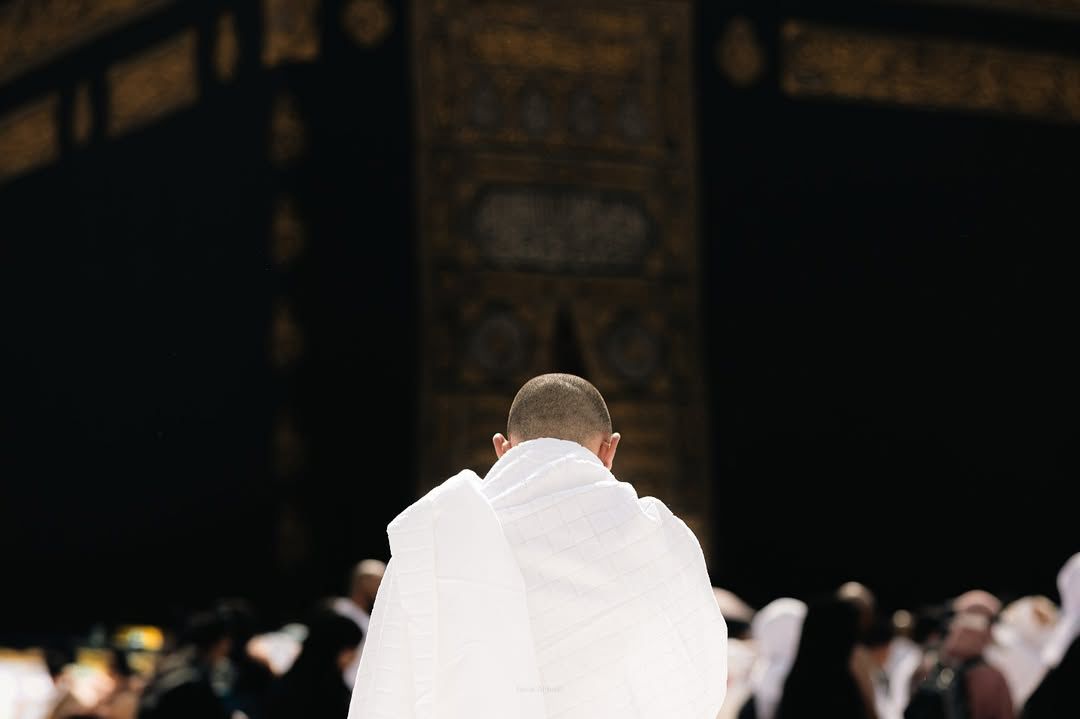
Performing Tawaf around the Kaaba is one of the most spiritual and emotional parts of Umrah. As pilgrims circle the House of Allah, every step becomes an opportunity to remember Him, seek forgiveness, and make heartfelt supplications.
Among the prayers recited during Tawaf, one of the most important is the dua said between Rukn Yamani and Hajar al Aswad. This guide explains its significance and use during Umrah.
The Importance of Duas During Tawaf
Tawaf is not just a physical act it is a deeply spiritual experience. While there are no strict rules requiring specific duas at every step, the Prophet Muhammad (ﷺ) taught certain supplications for particular moments.
Pilgrims often look for duas to recite during Tawaf to stay focused and spiritually connected. The key is sincerity, reflection and consistency in remembering Allah.
The Special Dua Between Rukn Yamani and Hajar al Aswad
A highly recommended supplication during Tawaf is recited in the short distance between Rukn Yamani and Hajar al Aswad.
The dua is:
“Rabbana atina fid-dunya hasanah wa fil-akhirati hasanah wa qina ‘adhaban-nar.”
Meaning:
“Our Lord, grant us good in this world and good in the Hereafter and protect us from the punishment of the Fire.”
This dua is simple yet comprehensive, covering both worldly needs and eternal success.
Why This Dua Holds Great Significance
This supplication is recommended because the Prophet (ﷺ) regularly recited it during Tawaf. It is among the most complete prayers, as it includes:
- Good in this life (health, success, peace)
- Good in the Hereafter (Jannah, forgiveness)
- Protection from Hellfire
Because of its depth, it is considered one of the best duas for Tawaf.
When to Recite This Dua During Tawaf
As you perform each round of Tawaf:
- Start from Hajar al Aswad
- Move around the Kaaba calmly
- When you reach Rukn Yamani, try to touch it if possible
- From Rukn Yamani to Hajar al Aswad, recite this dua
Adjust the number of repetitions to your walking pace. Recite the dua as many times as comfortable within this section.
You may wonder if other supplications are allowed as well.
Yes, absolutely. While this supplication is Sunnah, you are encouraged to make any duas you like during Tawaf. You can:
- Ask for forgiveness
- Pray for your family
- Seek guidance and ease in life
Tawaf is a time when your duas are highly valued, so make the most of it.
Tips for a More Meaningful Tawaf
To enhance your experience:
- Focus on the meaning of what you recite
- Avoid rushing through the rounds
- Stay patient in crowds
- Keep your heart حاضر (present) in worship
Remember, it’s not about how much you say it’s about how sincerely you say it.
Final Thoughts
Understanding key supplications during Tawaf can make your Umrah spiritually fulfilling. The dua between Rukn Yamani and Hajar al Aswad reminds us to ask Allah for goodness in this world and the Hereafter.
No matter which variation you come across, the essence of the prayer remains the same. Focus on sincerity, reflection, and connection with Allah, and your Umrah will become a truly life-changing experience.