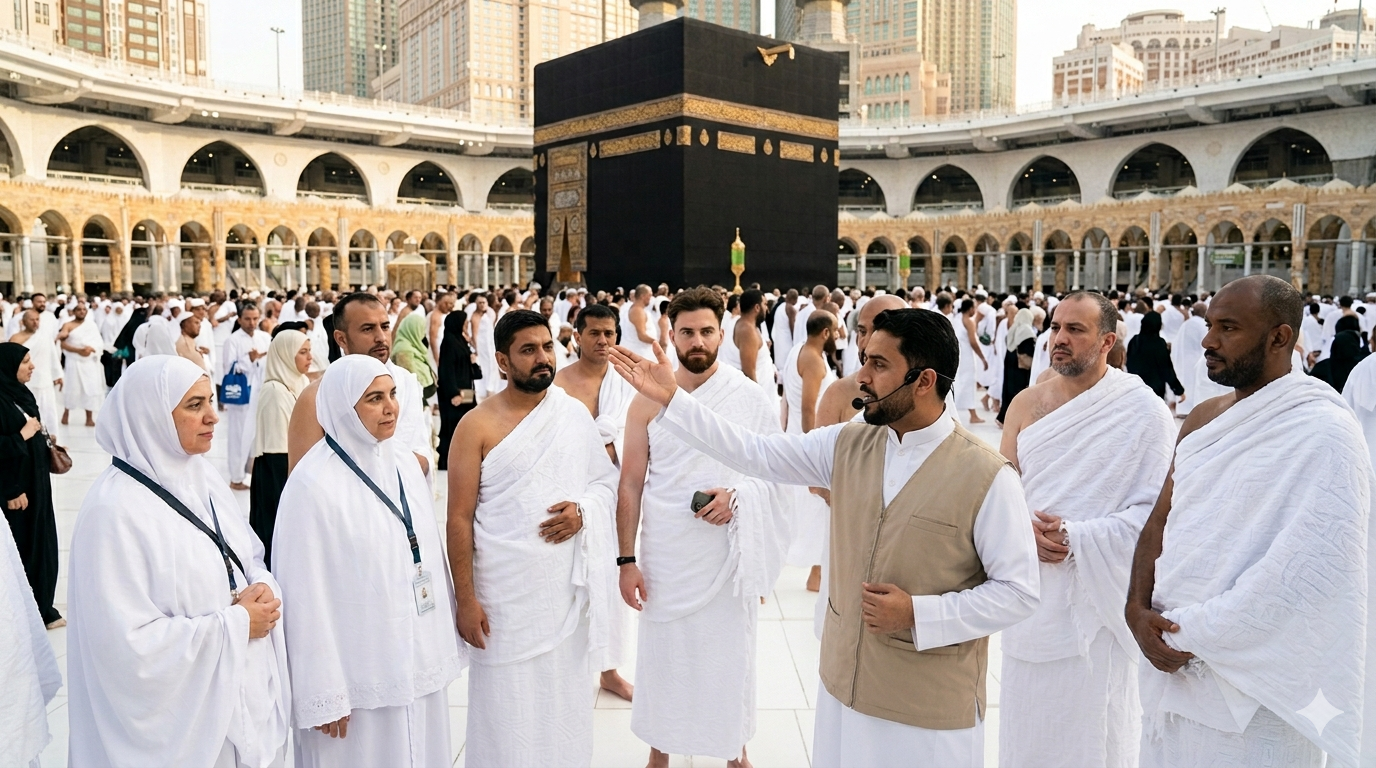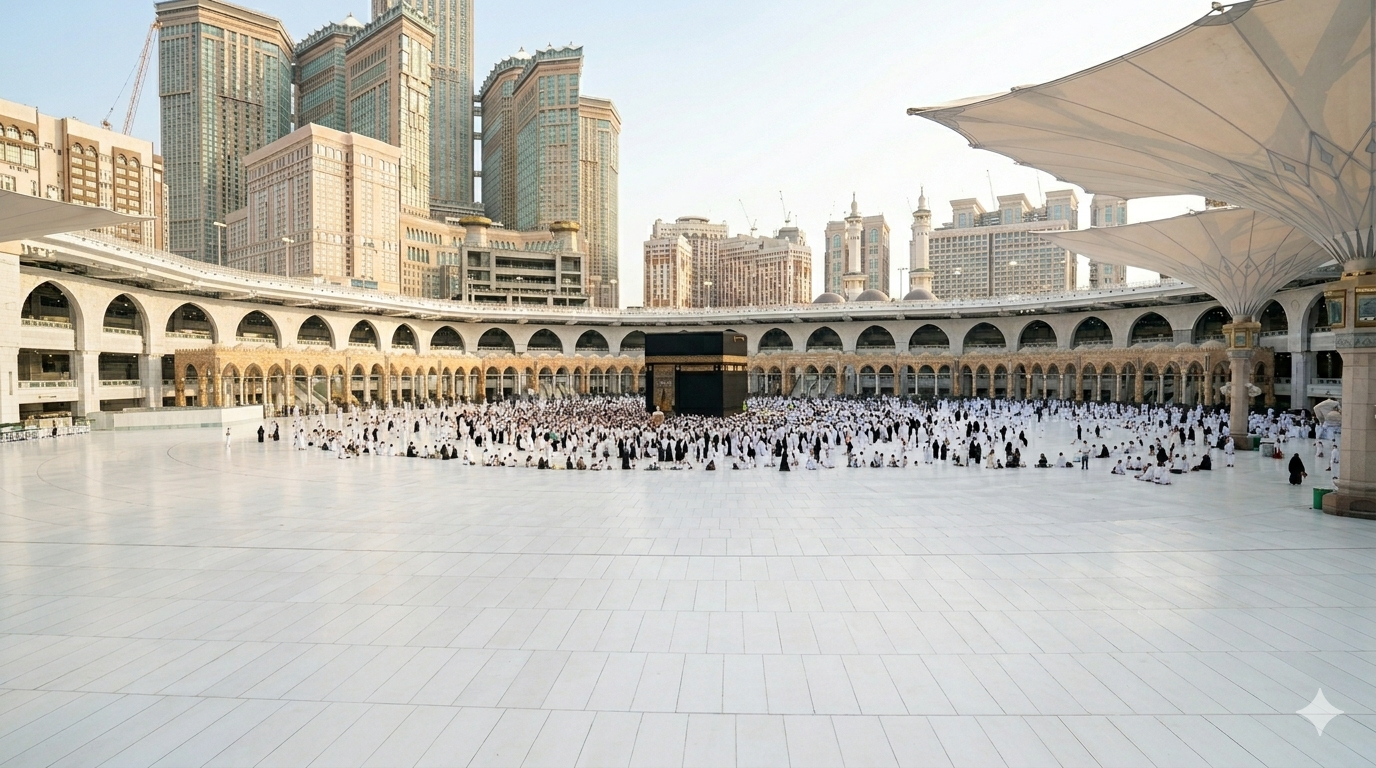
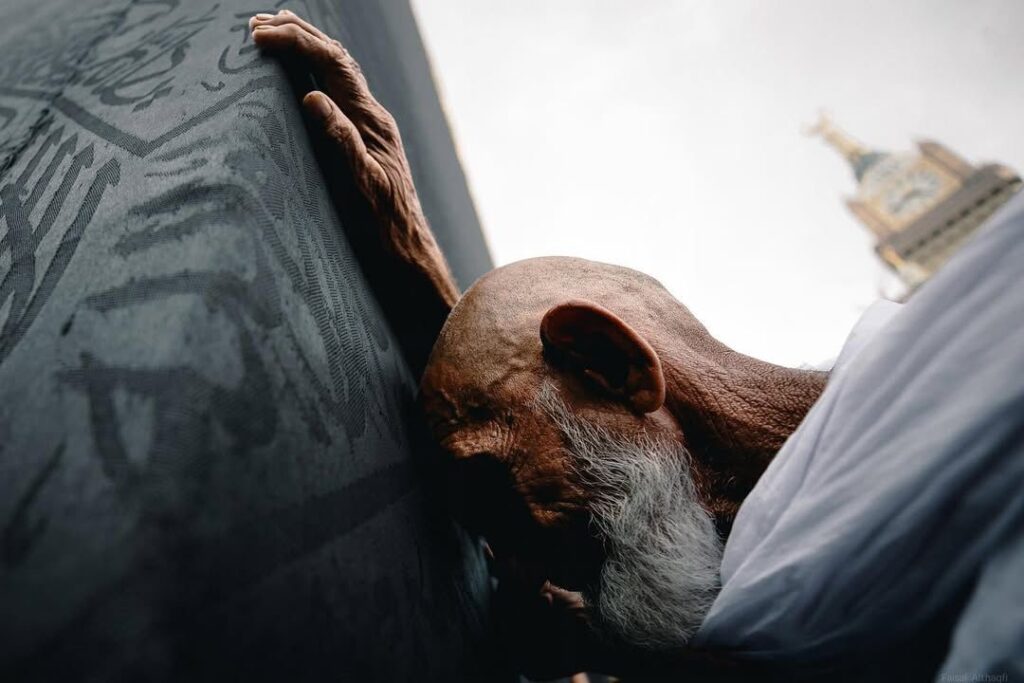
Umrah is a deeply spiritual journey that allows Muslims to seek forgiveness, strengthen their faith, and reconnect with Allah. While there are no fixed supplications required at every step, knowing the right duas to make during Umrah can help you stay focused and spiritually engaged throughout your pilgrimage.
This guide shares essential supplications, along with practical tips to help you make the most of your time in the holy cities.
Why Duas Are Important in Umrah
One of the greatest blessings of Umrah is the opportunity to make heartfelt supplications in sacred places. Every moment whether you are performing Tawaf or walking between Safa and Marwah is a chance to ask Allah for guidance, mercy, and forgiveness.
While many pilgrims look for specific duas to read during Umrah, it’s important to remember that sincerity matters more than memorization. You can speak to Allah in your own language and ask for anything that is in your heart.
Beginning Your Journey (Niyyah)
Before entering the state of Ihram, make your intention for Umrah:
“Labbayk Allahumma Umrah”
(Here I am, O Allah, to perform Umrah.)
This marks the beginning of your sacred journey and sets your spiritual focus.
Talbiyah: A Constant Reminder
After entering Ihram, recite the Talbiyah frequently:
“Labbayka Allahumma Labbayk, Labbayka La Shareeka Laka Labbayk, Innal Hamda Wan Ni’mata Laka Wal Mulk, La Shareeka Lak.”
This powerful declaration expresses your submission to Allah and should be repeated until you reach the Kaaba.
Entering Masjid al-Haram
As you step into Masjid al-Haram, enter with your right foot and recite:
“Allahumma iftah li abwaba rahmatik.”
(O Allah, open for me the doors of Your mercy.)
This simple supplication prepares your heart for worship in one of the holiest places on earth.
First Glimpse of the Kaaba
Seeing the Kaaba for the first time is an emotional and unforgettable moment. There is no fixed dua for this occasion, making it the perfect time to raise your hands and make personal supplications.
Ask for forgiveness, guidance, and acceptance of your Umrah. This is one of the most powerful moments for acceptance of prayers.
Supplications During Tawaf
While performing Tawaf, you are free to recite Quranic verses, remembrance (dhikr), or personal prayers. A commonly recited supplication is:
“Rabbana atina fid-dunya hasanah wa fil-akhirati hasanah wa qina ‘adhaban-nar.”
You can also:
- Ask for ease in your life
- Pray for your family and loved ones
- Seek protection from difficulties
This is one of the key times to focus on meaningful remembrance and connection with Allah.
After Tawaf (Maqam Ibrahim)
After completing Tawaf, offer two rakats near Maqam Ibrahim if possible. Use this time to make sincere and personal duas, asking Allah for forgiveness and blessings.
There is no restriction on what you can ask this is your private moment with your Creator.
Duas During Sa’i (Safa and Marwah)
As you begin Sa’i, recite:
“Inna as-Safa wal-Marwah min sha’a’irillah…”
At Safa and Marwah, face the Kaaba, raise your hands, and make supplications. Praise Allah, send blessings upon the Prophet (ﷺ), and ask for your needs.
Walking between these two points reminds us of patience, trust, and reliance on Allah.
General Remembrance Throughout Umrah
Keep your tongue engaged in remembrance at all times. You can recite:
- Astaghfirullah (seeking forgiveness)
- SubhanAllah, Alhamdulillah, Allahu Akbar
- Sending blessings upon the Prophet (ﷺ)
These simple acts bring peace to the heart and increase your rewards.
Tips for Making Meaningful Duas
To make your supplications more impactful:
- Be sincere and focused
- Make dua with full trust in Allah
- Repeat your prayers with humility
- Ask for both worldly and spiritual success
- Include your family and others in your prayers
Final Thoughts
Umrah is not just about completing rituals it is about building a deeper connection with Allah. While learning duas to read during Umrah is helpful, what truly matters is your sincerity and presence of heart.
Take this opportunity to reflect, seek forgiveness, and ask for everything you desire. A sincere dua made during Umrah can transform your life in ways you never imagined.